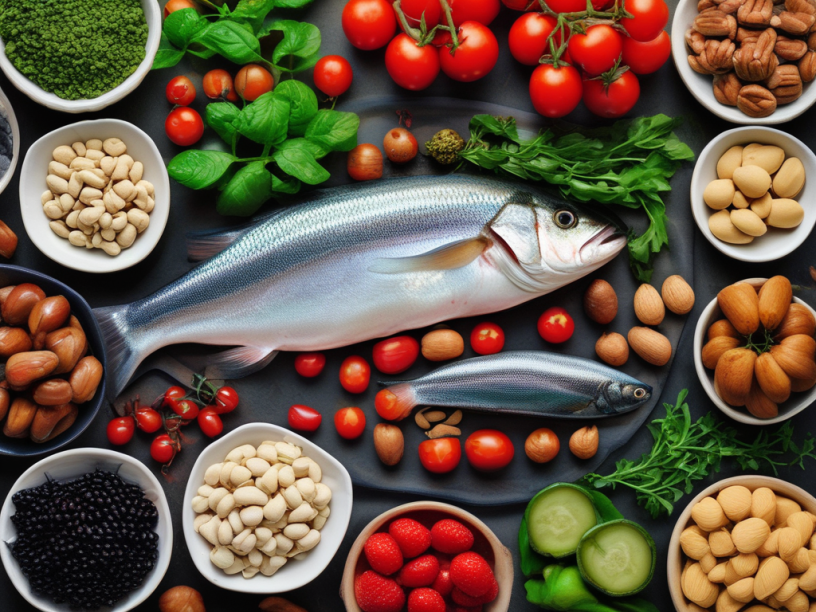
Discover the Power of Nutrient-Rich Foods to Reduce Inflammation, Boost Immunity, and Promote a Healthy Weight
In today’s world, where chronic diseases and weight management concerns are prevalent, the concept of “anti-inflammatory eating” has gained significant traction. Embracing an anti-inflammatory diet goes beyond simply avoiding processed foods and refined sugars; it’s about actively incorporating foods that work with your body to combat inflammation, a silent culprit behind many health issues.
Inflammation: The Silent Enemy
Inflammation is the body’s natural response to injury or infection. While acute inflammation is essential for healing and recovery, chronic inflammation can be detrimental to our health. Unlike acute inflammation, which subsides once the threat is eliminated, chronic inflammation persists for months or even years, silently damaging tissues and increasing the risk of various diseases, including heart disease, cancer, and autoimmune disorders.
The Rise of Anti-Inflammatory Diets
As research uncovers the crucial role of inflammation in chronic diseases and aging, anti-inflammatory dietary patterns have gained significant attention. An anti-inflammatory diet emphasizes whole, unprocessed foods that actively combat inflammation in the body. These foods are packed with antioxidants, omega-3 fatty acids, vitamins, and minerals that work together to create a robust defense against inflammatory processes.
Benefits of an Anti-Inflammatory Diet
Incorporating nutrient-rich, anti-inflammatory foods into your diet can yield a multitude of health benefits, including:
- Enhanced Immune Function: Fighting chronic inflammation can strengthen your immune system, making you more resilient to infections.
- Reduced Risk of Chronic Diseases: An anti-inflammatory diet can help prevent or manage chronic diseases like heart disease, diabetes, and cancer.
- Improved Weight Control: Tackling inflammation can enhance insulin sensitivity and promote a healthy weight balance.
- Increased Energy and Vitality: Subduing inflammation can reduce fatigue and boost your energy levels.
Anti-Inflammatory Food Powerhouse
- Fatty Fish: Salmon, mackerel, and sardines are rich in omega-3 fatty acids, which possess potent anti-inflammatory effects. Omega-3s lower the production of inflammatory molecules and cytokines.
- Berries: Blueberries, strawberries, and raspberries are brimming with antioxidants, including anthocyanins, which can reduce inflammation and protect the body from oxidative stress.
- Leafy Greens: Spinach, kale, and broccoli are loaded with vitamins, minerals, and antioxidants. They also contain a high amount of fiber, which can help lower inflammation levels.
- Nuts and Seeds: Nuts and seeds, especially almonds and chia seeds, are excellent sources of healthy fats, protein, and fiber. They also contain vitamin E, a powerful antioxidant that aids in combating inflammation.
- Olive Oil: Extra virgin olive oil is a cornerstone of the Mediterranean diet, renowned for its anti-inflammatory properties. Olive oil contains oleocanthal, which has similar effects to anti-inflammatory drugs.
- Tomatoes: Tomatoes are rich in lycopene, an antioxidant with robust anti-inflammatory properties. Cooked tomato products, such as tomato sauce, can increase the body’s lycopene absorption.
- Turmeric: Turmeric contains curcumin, a powerful anti-inflammatory compound. Curcumin can help reduce inflammation and pain associated with chronic diseases.
- Garlic: Garlic possesses anti-inflammatory and immune-boosting properties due to its sulfur compounds, including allicin.
Anti-Inflammatory Foods and Weight Management
Chronic inflammation can disrupt metabolism and contribute to weight gain and obesity. Inflammatory cytokines can interfere with hormone balance and impair the body’s ability to regulate blood sugar and fat storage. By reducing inflammation with a diet rich in anti-inflammatory foods, you can improve your metabolism and support healthy weight control.
Practical Tips for Incorporating Anti-Inflammatory Foods
- Consume Fatty Fish Twice a Week: Include salmon or mackerel in your meals to get a good dose of omega-3 fatty acids.
- Snack on Berries: Keep fresh or frozen berries on hand for a healthy snack option.
- Fill Your Plate with Leafy Greens: Vary your leafy greens to get a wide range of nutrients.
- Embrace Olive Oil in Cooking: Replace other oils with extra virgin olive oil in your dishes.
- Spice Up Your Dishes with Turmeric: Add turmeric to soups, smoothies, or tea for an anti-inflammatory boost.
- Incorporate Garlic into Your Meals: Use fresh garlic in your cooking to reap its health benefits.
Beyond Diet: A Holistic Approach
While an anti-inflammatory diet is crucial, experts emphasize that incorporating certain lifestyle practices is equally important to maximize its benefits. Prioritizing good sleep, managing stress levels, maintaining a healthy weight, avoiding unhealthy habits like smoking, and engaging in at least 20 minutes of moderate exercise daily can all contribute to reducing chronic inflammation.
Remember, adopting an anti-inflammatory lifestyle is an ongoing journey, not a quick fix. By making gradual, sustainable changes to your diet and incorporating healthy habits, you can empower your body’s natural anti-inflammatory mechanisms, enhance your overall well-being, and reduce your risk of chronic diseases.
Sources
Effect of anti-inflammatory diets on inflammation markers in adult human populations.
Diet Review: Anti-Inflammatory Diet: Harvard T.H. Chan School of Public Health
What foods you really need to eat to reduce inflammation: National Geographic
Does the Anti-Inflammatory Diet Really Work? Verywell Health
 Twice Mag