New research reveals how regular physical activity supports memory, learning, and cognitive health, even when the brain’s usual fuel supply runs low.
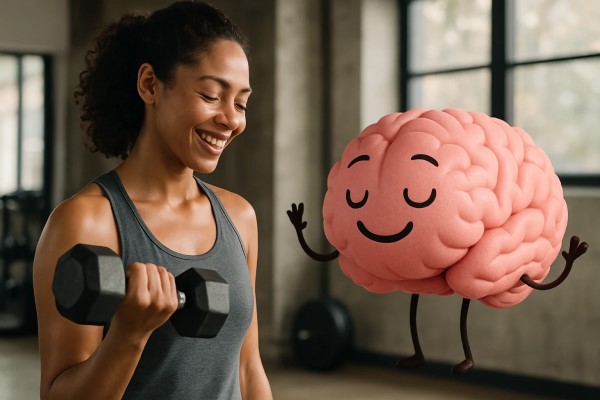
We all know that exercise is great for our physical health — but what about our brain? A new study from the University of Missouri has found that regular physical activity plays a vital role in maintaining brain health, even when one of the brain’s main energy sources is missing.
Led by researchers Taylor Kelty and R. Scott Rector, the study uncovers new connections between exercise, memory function, and cognitive health. Their findings suggest that staying active could be even more important for protecting the brain from cognitive decline and memory loss as we age.
Why This Matters
As the number of people diagnosed with Alzheimer’s disease and dementia is expected to double by 2060, finding simple, accessible ways to support long-term brain function has never been more important. Could exercise be the key to keeping our minds sharp throughout life?
When the body runs low on glucose — the brain’s primary fuel — the liver produces ketones, an alternative energy source that supports memory, focus, and learning abilities. But what happens when the liver struggles to produce these ketones? The University of Missouri team set out to investigate.
The Surprising Role of Exercise
In the study, when ketone production was impaired, researchers noticed a decline in cognitive function and memory performance. But remarkably, exercise still improved brain health and reversed some of the negative effects, even without sufficient ketones.
“We expected that with low ketones and cognitive impairment, exercise might not help,” explained Taylor Kelty, a postdoctoral fellow. “But it turns out that exercise is so powerful it activates other pathways in the brain to compensate and maintain its health.”
R. Scott Rector, a professor at the School of Medicine, emphasized that the benefits of physical activity go beyond what we currently understand at the molecular level.
“This study shows how exercise benefits the body and brain in multiple ways. Even when one pathway is blocked, physical activity triggers other mechanisms that continue to support brain function,” said Rector.
Good News for People with Liver Conditions
The findings are particularly hopeful for people living with liver disease or conditions that interfere with ketone production. Research increasingly shows that people with severe liver problems have a higher risk of developing dementia and other forms of cognitive decline.
“If ketone production is disrupted, it could be one of the factors behind memory loss and neurodegenerative conditions,” Kelty explained.
This new study highlights the importance of both ketone production and regular exercise in maintaining a healthy brain, reducing the risk of dementia, and protecting memory function as we get older.
A Step Toward Healthier Aging
The researchers hope their work will increase awareness of the connection between physical activity and brain health, and encourage more people to stay active for both mental and physical wellness.
“There’s still so much to discover about how exercise affects the brain, and it’s exciting to think about what future research might reveal,” Kelty added.
This research is part of the growing field of liver-brain health studies and represents an important step toward understanding how we can better protect our minds as we age.


Leave a Reply